Why the Same Running Jacket Feels Perfect at Mile 1 and Completely Soaked by Mile 5
Quick Answer: Most running jackets are rated for a resting or low-output body heat level, but running quickly generates far more heat and sweat than the jacket’s breathability rating can vent, so the jacket that felt perfectly calibrated standing outside becomes overwhelmed once your body’s output ramps up a few miles in.
You checked the temperature, picked what seemed like exactly the right jacket for the conditions, and by mile five you’re not sure if you’re wet from rain or just soaked in your own sweat trapped inside.
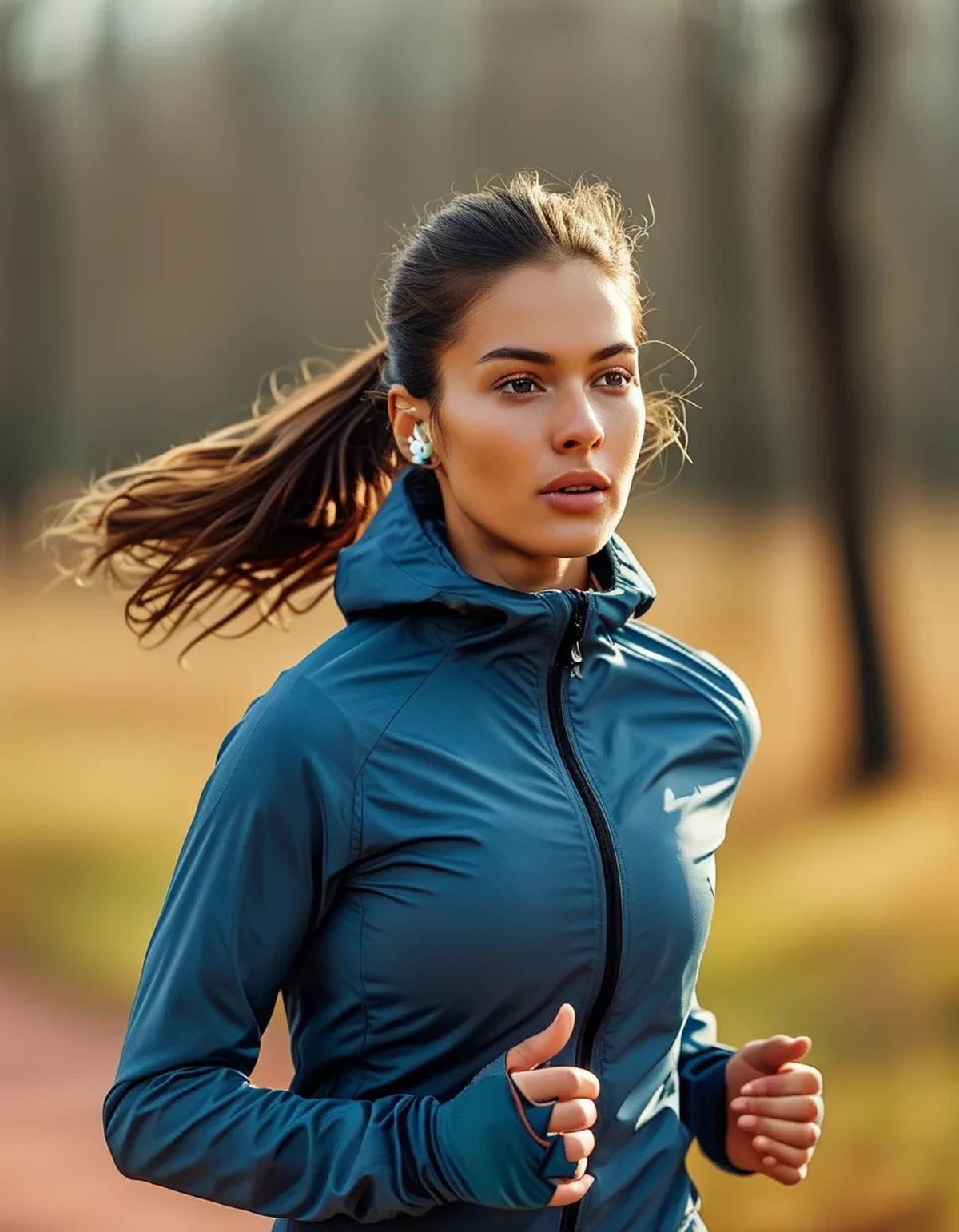
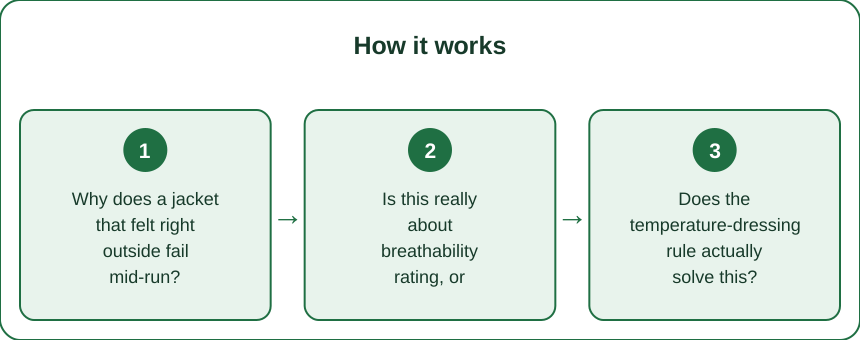
Why does a jacket that felt right outside fail mid-run?
Standing still, your body generates relatively little heat, so a jacket’s insulation and breathability feel well-matched to conditions. Running can increase heat output several times over resting levels, and most jacket breathability ratings (measured in grams of moisture per square meter over 24 hours) are calibrated assumptions that don’t fully account for the sustained, high-output moisture running produces in a much shorter window.
Is this really about breathability rating, or something else?
Breathability rating matters, but fit and venting design matter just as much — a jacket with underarm zips or back vents that stay closed traps far more moisture than an identical fabric jacket with those vents open. Many runners don’t use the venting features their jacket already has, defaulting to a fully zipped setup that works against the fabric’s actual breathability.
Does the temperature-dressing rule actually solve this?
The common “dress for 15-20 degrees warmer than it feels standing outside” rule exists specifically because of this mismatch — if you feel comfortable, not slightly cool, standing at your front door before a run, you’re very likely to overheat and soak the jacket’s interior once running heat output kicks in.
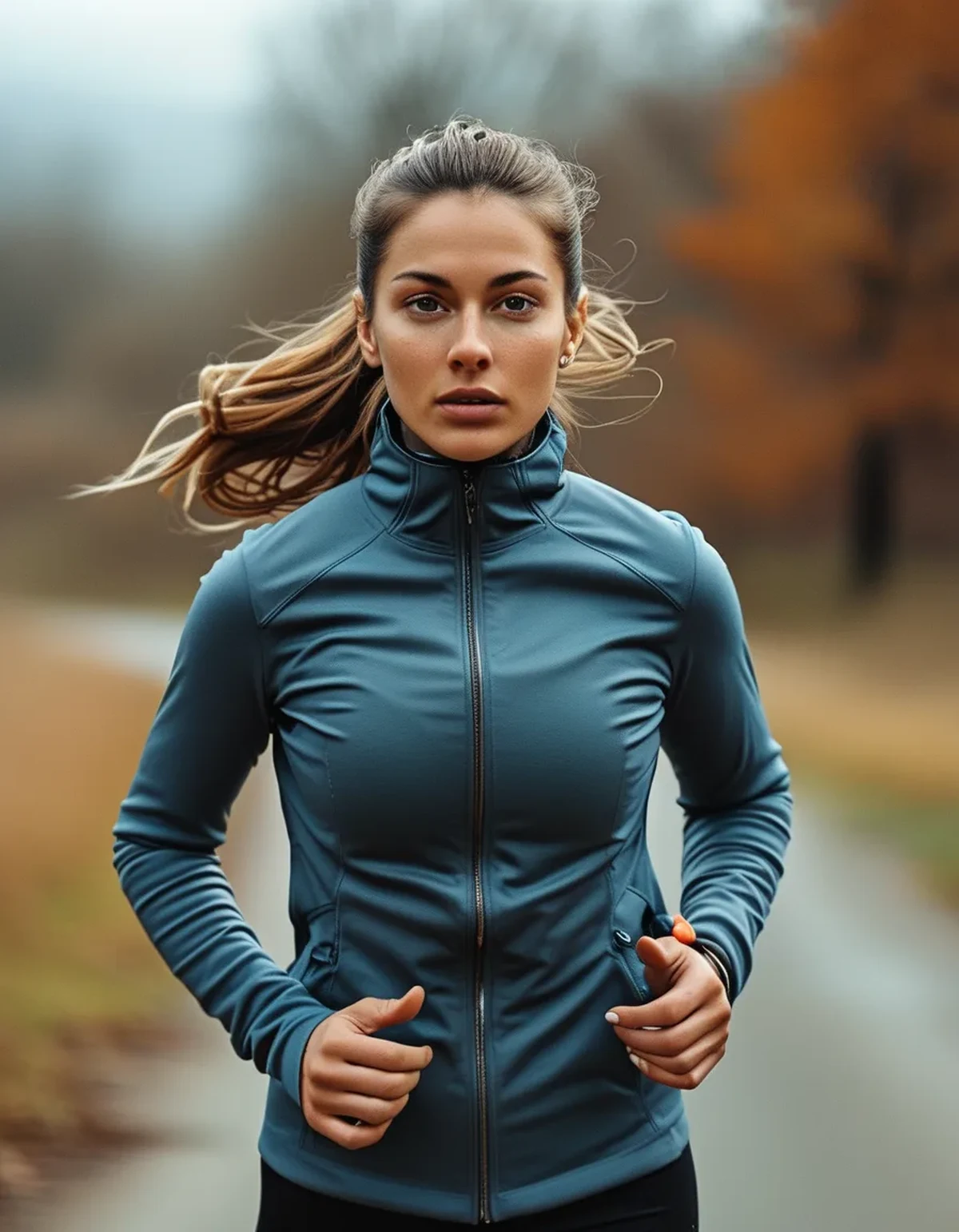
What Nobody Tells You About Jacket Wetting Out From the Inside
Interior wetting from your own sweat is often confused with the jacket “failing” against rain — a jacket can have excellent external water resistance while still soaking through from the inside purely from trapped sweat, which is a completely separate issue from its rain performance. If a jacket feels wet but you were running in dry conditions, that’s an internal moisture (breathability) issue, not a waterproofing failure.
Also underrated: base layer choice affects this as much as the jacket itself — a cotton base layer holds moisture against skin and feeds it into the jacket’s interior, while a moisture-wicking synthetic or wool base layer moves sweat outward more effectively.
What should you actually change to fix this?
Size down on jacket warmth relative to how you’d normally shop, use every venting feature available rather than keeping the jacket fully zipped, and pair with a genuinely moisture-wicking base layer rather than cotton — these three changes together address the interior wetting problem far more effectively than switching jacket brands alone.
FAQ: Running Jacket Interior Wetting Questions, Answered
Is a more expensive, higher breathability-rated jacket the real fix?
It helps, but venting habits and base layer choice often matter as much or more than jacket price point alone.
Should I unzip the jacket partway through a run if I start overheating?
Yes — adjusting venting mid-run based on how you actually feel is standard practice and more responsive than committing to one fully-zipped setup for the whole run.
Does jacket color affect this issue?
Only indirectly, through heat absorption in direct sun — the interior moisture issue itself is primarily about breathability and venting, not color.
TL;DR:
- Jacket breathability ratings are calibrated for lower heat output than running actually produces
- Underused venting features (zips, vents) trap more moisture than the fabric alone explains
- The 15-20 degree warmer dressing rule exists specifically to prevent this mismatch
- A moisture-wicking base layer matters as much as the jacket for solving interior wetting
Keep Reading
This article is for general informational and styling purposes only. Fit, sizing, and product availability may vary.