Why Your 'Waterproof' Running Jacket Soaks Through — From the Inside
Quick Answer: If your jacket’s outside feels dry but you’re soaked underneath, sweat vapor is condensing inside the jacket faster than it can escape — a breathability mismatch, not a waterproofing failure. Drop a layer, unzip pit vents, or size up slightly for more air movement.
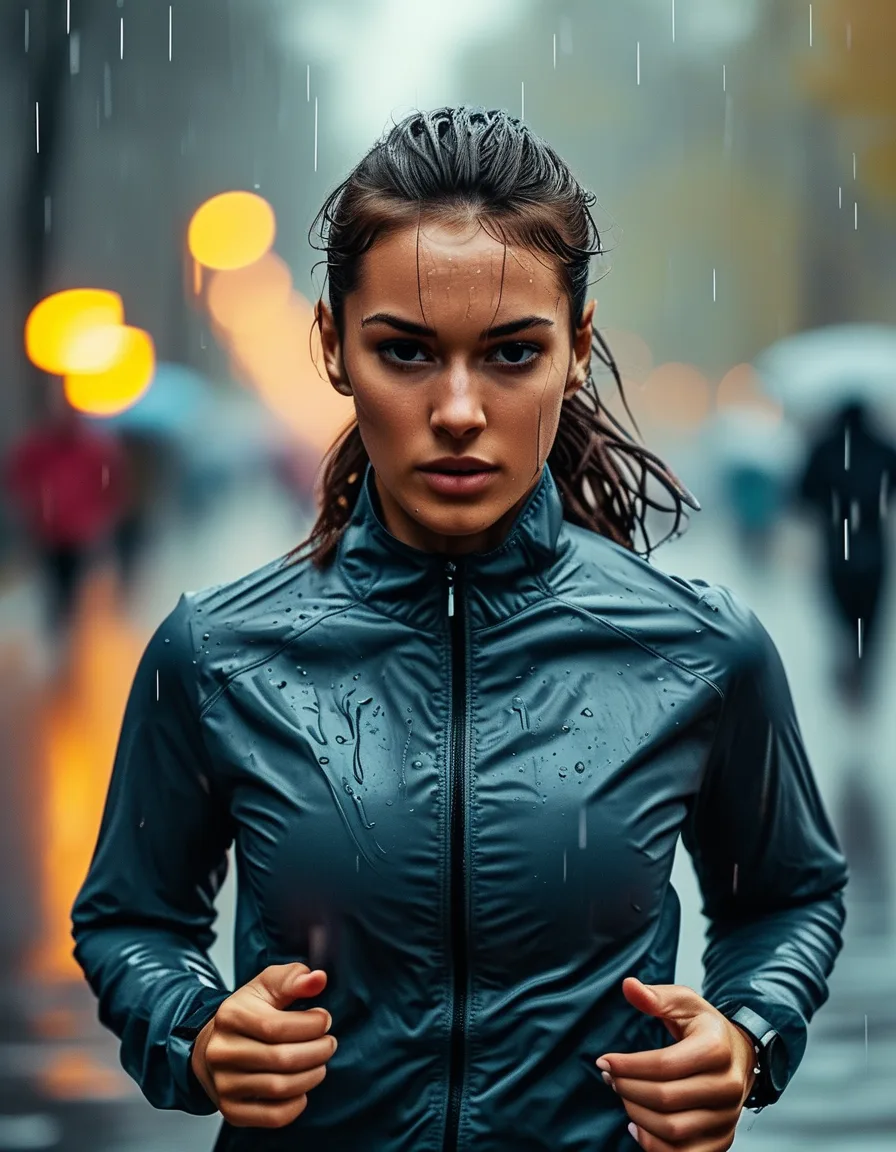
You checked the seams, you checked the DWR coating, everything looks fine from outside. But twenty minutes in, your base layer is drenched like you ran through a sprinkler. That’s not a leak — it’s your own sweat with nowhere to go, and it’s one of the most common running jacket complaints that gets misdiagnosed as a product defect.
Why does the inside get wet when the outside stays dry?
Because waterproof and breathable are two different, competing specs. A jacket rated waterproof blocks outside water from getting in — but every membrane has a limited rate at which it can let inside moisture vapor escape.
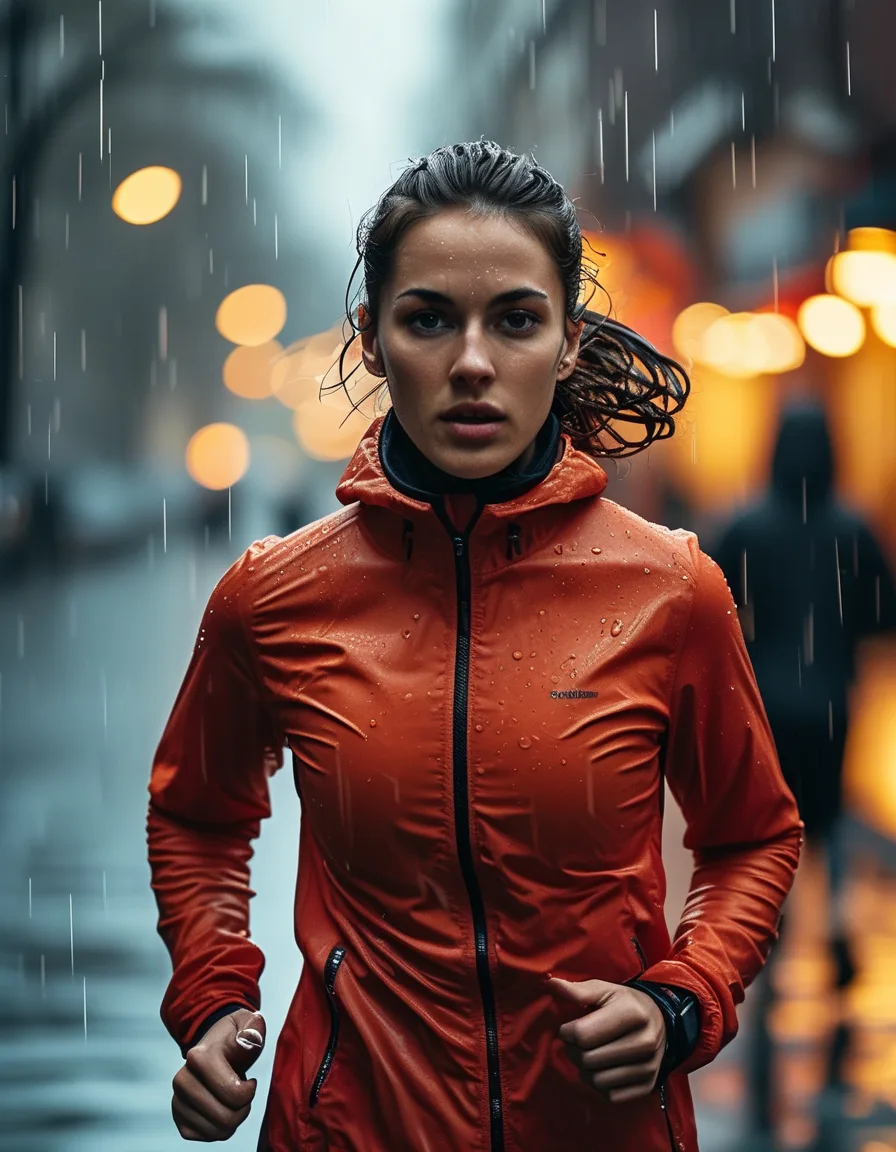
When you’re running hard, your body produces sweat vapor faster than the membrane can vent it, so it condenses on the jacket’s inner surface instead of passing through. From the inside, condensation and a leak feel identical — soaked fabric — but the cause and fix are completely different.
How can you tell condensation from an actual leak?
Condensation feels wet but the moisture is more evenly spread, often warm-clammy rather than cold, and tends to appear first at the back and underarms — the highest-sweat zones.
A real leak shows up at specific points: seams, zippers, or a worn spot, and the wetness tracks a specific path rather than a general dampness. If your jacket is soaked all over evenly, it’s condensation almost every time.
What actually reduces wetting out?
- Drop a layer. The single biggest fix — less insulation underneath means less sweat production overall.
- Use the pit zips. If your jacket has them and you’re not using them, you’re skipping the easiest built-in fix.
- Size up slightly. A jacket with a little more room allows air to circulate between layers instead of trapping vapor against your skin.
- Slow down 10-15 seconds per mile on hot or humid runs — sweat rate scales with effort, and a slightly easier pace can outrun the membrane’s limits.
Why Nobody Tells You This About Jacket Ratings
Waterproof ratings (measured in mm of water column) tell you almost nothing about breathability. A jacket can be rated for a monsoon and still soak you from sweat on a 50-degree tempo run.
The number that actually predicts sweat performance is the breathability rating (grams of vapor per square meter per day, often listed separately or not at all). If a product page only advertises waterproofing, that’s often a sign breathability wasn’t the priority — worth checking before buying for runs, not walks.
FAQ: Running Jacket Wetting Out Questions, Answered
Does a more expensive jacket always breathe better?
Not automatically — price often reflects waterproof rating and durability more than breathability. Check the specific membrane technology and breathability number, not just cost.
Should I wear a running jacket at all in light rain?
For runs under 30 minutes in light rain, many runners skip the jacket entirely — you’ll get about as wet from sweat inside a low-breathability jacket as from the rain itself.
Can washing an old jacket restore its performance?
Often yes — a worn-out DWR (water-repellent) coating makes the outer fabric absorb water, which blocks the membrane’s ability to vent from inside. A technical wash and re-proofing can meaningfully help.
TL;DR:
- Inside-wet, outside-dry means sweat condensation, not a leak — different problem, different fix
- Drop a layer, use pit vents, and size up slightly for better air movement
- Condensation spreads evenly (back, underarms); real leaks track specific seam or zipper lines
- Waterproof rating and breathability rating are separate specs — check both before buying
Once you know it’s condensation, the fix is airflow, not a different jacket.
Keep Reading
This article is for general informational and styling purposes only. Fit, sizing, and product availability may vary.